
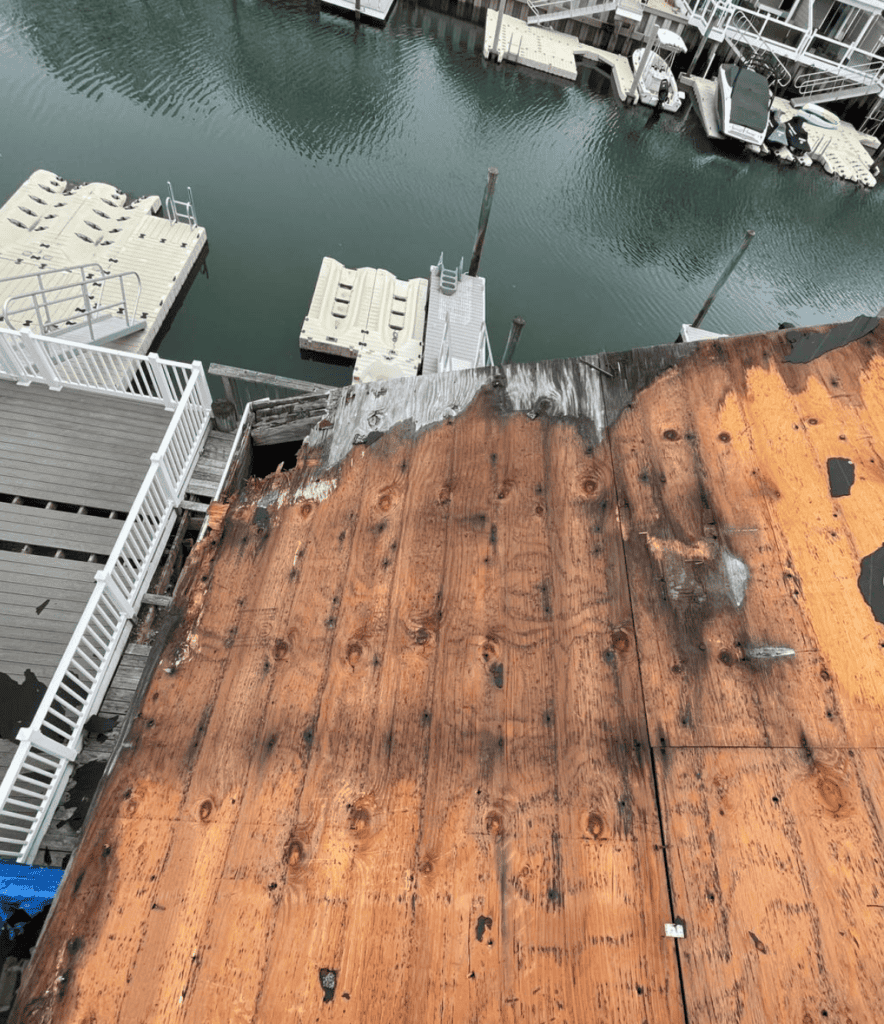
A severe storm causes damage, and you soon find yourself managing insurance forms, scheduling adjuster visits, and getting contractor estimates—all while stressing about potential leaks. Since most homeowners experience this only once every few years, it’s understandable that the process can seem overwhelming and confusing at first.
Here’s exactly what to do, in order, to give yourself the best shot at a fair and fast claim.
Step 1: Document Everything Before You Touch Anything
As soon as it’s safe to do so, walk your property and take photos and video of:
- Any visible shingle damage, granule loss, or missing pieces
- Dented gutters, vents, or flashing
- Debris on the roof or in the yard
- Interior water stains, if any have already appeared
Timestamp all evidence. Insurers prioritize recent photos, especially those taken on the storm day, over images captured a week later.
Step 2: Call a Local Roofer Before You Call the Insurance Company
This sequence is more important than many homeowners realize. A local roofer can provide an honest, pressure-free evaluation of storm damage versus typical wear, helping you avoid underestimating real issues or over-claiming damages that an adjuster might deny. Additionally, you’ll have a professional inspection report prepared from the start to back up your claim, eliminating the rush to get one once the case is already open.
Step 3: File the Claim Promptly
Most policies have a filing window, and delays can be used to dispute coverage later. When you call your insurer:
- Have your policy number and the date/time of the storm ready
- Describe the damage factually — stick to what you observed, not assumptions about cause
- Ask directly what your deductible is and whether it’s a flat amount or a percentage-based hurricane/windstorm deductible (common in NJ coastal policies)
The Professional Perspective: Many Shore-area homeowners are surprised to learn their policy has a separate, higher percentage-based deductible for named storms or hurricanes versus their standard deductible. Check this before a storm hits — it can change your out-of-pocket cost by thousands of dollars.
Step 4: Meet the Adjuster — With Your Roofer Present
You are not required to meet the insurance adjuster alone. Having your roofer on-site during the adjuster’s inspection helps ensure:
- No damaged areas are overlooked (adjusters often inspect quickly and from the ground)
- Technical details, like proper nailing patterns or code-required upgrades, are explained accurately
- You have a second, independent record of what was actually observed
Step 5: Review the Settlement Carefully
Insurance estimates occasionally use outdated software rates for repairs or omit essential items such as ice-and-water shields, code-mandated ventilation upgrades, or full valley replacements. A roofer knowledgeable about current local material and labor costs can identify any omissions before you approve the estimate.
Step 6: Schedule the Work
Once your claim is approved, contact a reputable local contractor quickly. After a major regional storm, skilled roofers tend to fill up fast, and delaying repairs can lead to secondary damage such as water intrusion or mold, which might not be covered by your initial claim.
A Final Word of Caution
Be wary of any contractor who shows up unsolicited after a storm, pressures you to sign a contract on the spot, or offers to “handle everything with your insurance company” in a way that sounds too easy. These are common tactics used by traveling storm-chasing crews who may not be around for warranty support down the road.
If you’ve got storm damage and aren’t sure where to start, we’re happy to do a free, no-obligation inspection and walk you through exactly what we find — before you make a single call to your insurance company. Call Shore Points Roofing today at 609.796.2072 or request your free inspection so you have a trusted local pro in your corner from day one.